Greek mythology · Heroes & mortals
Laertes, father of Odysseus and old king of Ithaca
In brief
Laertes in the Odyssey: the king who withdrew to a farm, the orchard trees that prove his son's identity, and a disputed paternity.
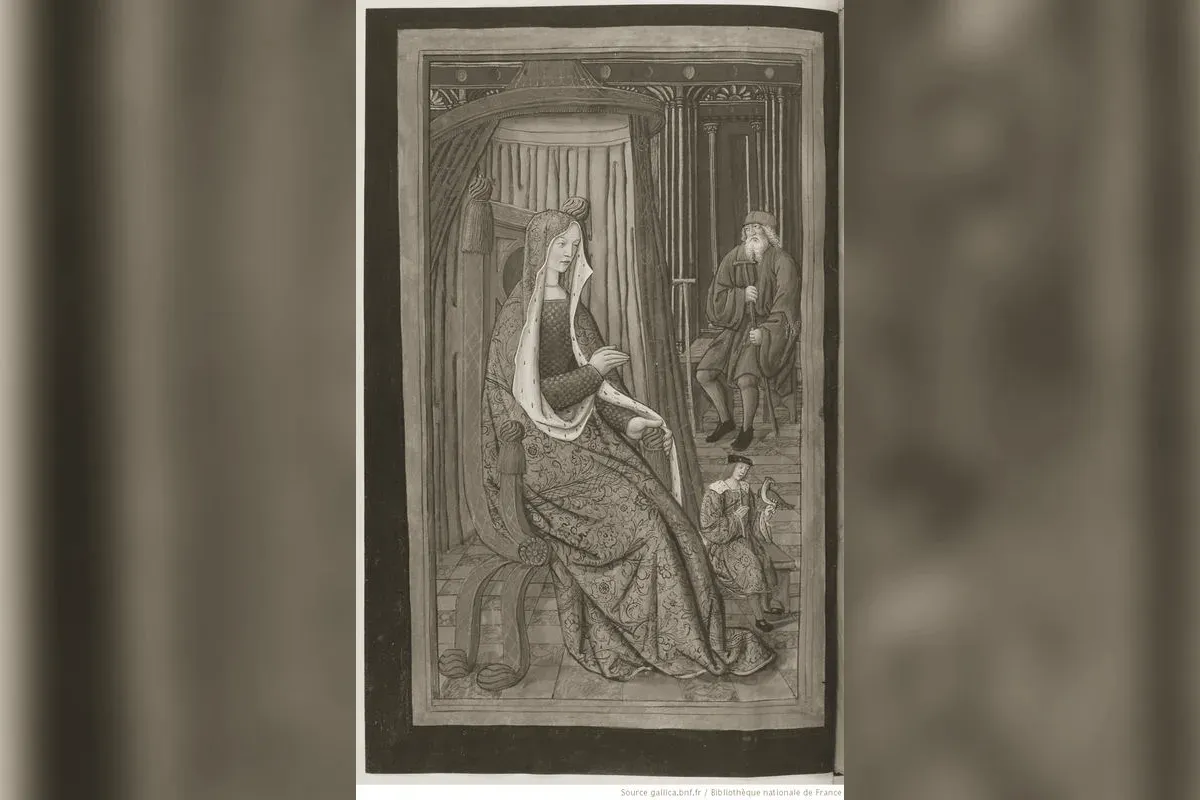
Laertes is the father of Odysseus and the former king of Ithaca, who has given up the palace and lives on a farm inland, working his own vines. He appears in only a handful of scenes, and one of them contains the Odyssey’s last and strangest recognition.
A king who stopped being one
Homer never says Laertes was deposed. He withdrew. With his son gone twenty years and his grandson too young to rule, the old man simply left the town to the suitors and went to the land, where Odysseus’ mother Anticlea died of grief — as her shade tells her son in the underworld, it was longing for him, and nothing else, that killed her.
By Book 24 Laertes sleeps in the ashes by the fire in winter with the farm slaves, wears a patched tunic, stitched leather leggings against brambles, and a goatskin cap. The description is deliberately undignified. Homer is showing what an unoccupied throne costs the man who used to sit on it.
Whose son is Odysseus?
Homer is consistent that Odysseus is the son of Laertes and Anticlea. A competing tradition, alive by the fifth century and used by Sophocles when he wants to insult him, makes the real father Sisyphus — who is said to have seduced Anticlea before her marriage, in the course of a swindling contest with her father Autolycus.
The alternative exists because it is convenient: it descends Odysseus from the cleverest liar in Greek myth and turns his intelligence into inheritance. The genealogy on this site follows Homer, partly because the Odyssey is the primary text and partly because the recognition scenes only work if Laertes really is his father.
The trees
Odysseus goes out to the farm after the killing of the suitors and finds the old man alone, digging around a plant. And then — inexplicably, after twenty years — he tells him a false story, claiming to be a stranger who once entertained Odysseus abroad.
He watches his father take up dust in both hands and pour it over his grey head, weeping. Only then does he say who he is.
Laertes demands proof. Odysseus shows the scar, and then produces something better. He recites the orchard: the trees his father gave him when he was a small boy following him around the garden and asking for each one by name — thirteen pear trees, ten apple trees, forty figs, and fifty rows of vines ripening at different seasons. He had counted them, and kept the number for fifty years.
The Odyssey has three great recognition tokens, and they map the hero’s whole identity. The scar is his body, and his old nurse knows it. The bed is his marriage, and only his wife knows it. The trees are his inheritance and his childhood, and only his father knows them.
The last fight
Athena restores Laertes’ size and strength for an afternoon, and he says out loud that he wishes he had been the man he was on the day he took Nericus, so he could have stood beside his son against the suitors. He gets a smaller version of the wish: when the suitors’ relatives come for revenge, the old king throws the first spear of the fight and kills their leader.
Three generations then stand in a line — Laertes, Odysseus, Telemachus — before Athena stops the fighting. It is the poem’s closing image of a household put back together, and Homer gives the opening blow to the oldest man in it.
Ancient sources
- Homer, Odyssey, 11.187-196; 24.205-360
- Apollodorus, Library, 1.9
- Sophocles, Philoctetes and Ajax, for the Sisyphus tradition
See also
Related entries
Stories featuring this entity
Frequently asked questions
Why did Laertes leave the palace?
Homer never says he was deposed — he withdrew. With his son gone twenty years and his grandson too young to rule, he left the town to the suitors and went to the land, where Odysseus's mother Anticlea died of grief. By Book 24 he sleeps in the ashes with the farm slaves, in a patched tunic and a goatskin cap. The description is deliberately undignified: it shows what an unoccupied throne costs the man who used to sit on it.
Is Odysseus really the son of Laertes?
Homer is consistent that he is. But a competing tradition, alive by the fifth century and used by Sophocles whenever a character wants to insult him, makes Sisyphus the real father — seducing Anticlea before her marriage during a swindling contest with her father Autolycus. The alternative exists because it is convenient: it descends Odysseus from the cleverest liar in Greek myth.