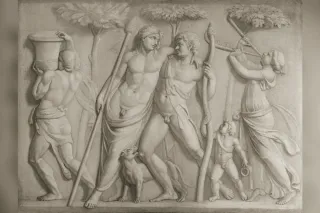
Dionysus, god of wine and theater in Greek mythology
Dionysus, Greek god of wine, ecstasy, and theater: double birth, mystery cult, thyrsus and panther. The last of the Olympians.
Greek mythology
The Olympians are not a fixed pantheon: Zeus only rules after overthrowing Cronus, Athena is born from her father's skull, and Dionysus joins the circle of twelve late. Each entry sets out the god's domain, genealogy, cult epithets and the stories they appear in, noting where Hesiod, the Homeric Hymns, Pindar and the tragedians disagree. The primordial powers and the Titans who come before the Olympians, from Gaia to Hyperion, are covered here too.
Dionysus, Greek god of wine, ecstasy, and theater: double birth, mystery cult, thyrsus and panther. The last of the Olympians.
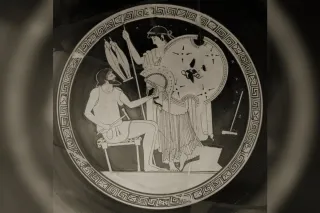
Hephaestus, Greek god of fire and the forge: painful birth, fall from Olympus, divine masterworks, and his role in the creation of Pandora.
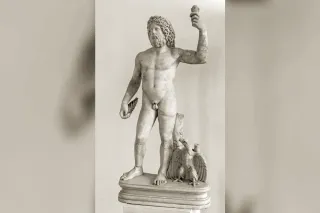
Zeus, king of Olympus: attributes, genealogy, key myths, etymology of his name and ancient cult across the Greek world.

Aphrodite, Greek goddess of love, desire and beauty: birth from seafoam, attributes, major myths and ancient cult.
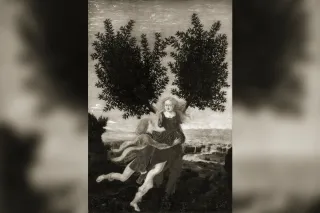
Apollo, Greek god of light, music, poetry and prophecy: attributes, birth, the Oracle of Delphi and his major myths.
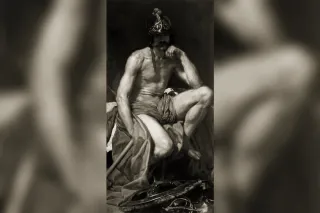
Ares, Greek god of war and battle fury: attributes, genealogy, major myths, his opposition to Athena and his cult in antiquity.
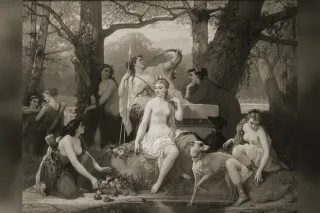
Artemis, virgin goddess of the hunt, the moon, and wild animals: attributes, birth, key myths and cult in Greek mythology.
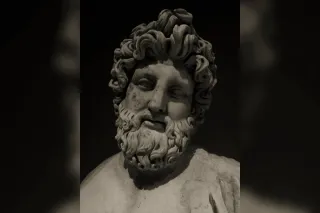
Asclepius, the Greek healer god: snatched from his mother's pyre, taught by Chiron, struck down for raising the dead, and the true single-snake rod.
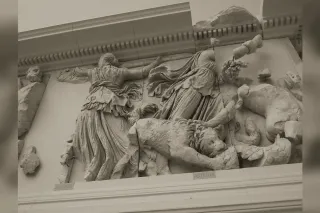
Asteria, Titaness of stars: the goddess who escaped Zeus by becoming the island of Delos, mother of Hecate, and sister to Leto.
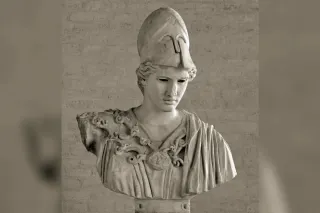
Athena, virgin goddess of wisdom, craft, and strategic warfare: birth, attributes, myths and cult in Greek mythology.
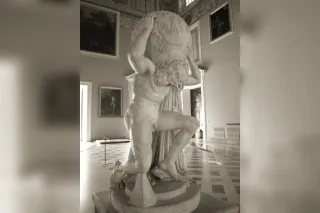
Atlas, the Titan condemned to bear the vault of heaven: his punishment after the Titanomachy, encounters with Heracles and Perseus, offspring, and sources.
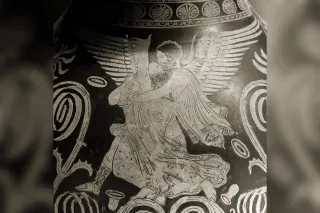
Boreas, god of the north wind: son of Eos, abductor of Oreithyia, father of the Boreads, and the wind Athens thanked for wrecking the Persian fleet.
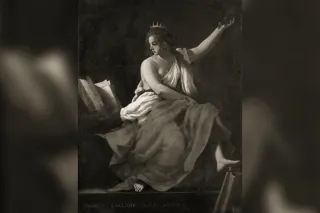
Calliope, chief of the nine Muses: the Muse who stands beside kings, judge of the quarrel over Adonis, and mother of Orpheus and Linus.
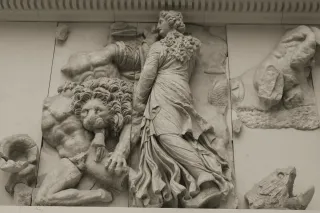
Ceto, power of the primordial sea: her union with Phorcys, the Graeae and Gorgons, and the genealogy of Greek monsters.
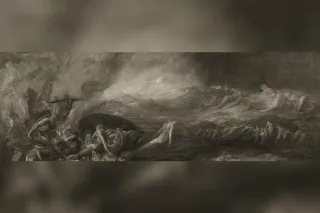
Greek Chaos means a gaping void, not confusion: what Hesiod actually wrote, what is really born from it, and how Ovid reversed the meaning of the word.
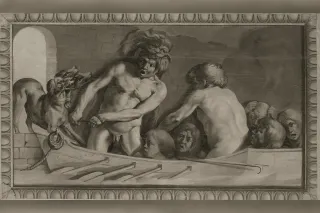
Charon, ferryman of the Greek underworld: the obol placed in the mouth of the dead, the unburied turned away for a century, and the Etruscan demon Charun.
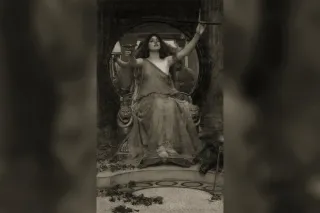
Circe in the Odyssey: the drugs that make men swine, the herb moly, the oath Odysseus extracts from her, and how a goddess became a witch.
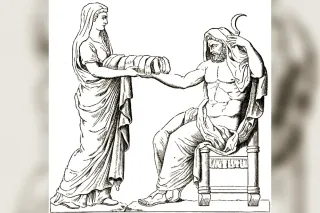
Cronus, king of the Titans: the Golden Age, swallowing his children, his fall to Zeus during the Titanomachy, and his legacy in Greek mythology.
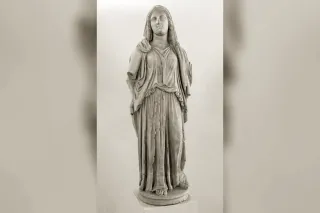
Demeter, Greek goddess of the harvest, agriculture and seasonal cycles: attributes, the myth of Persephone, the Eleusinian Mysteries and her ancient cult.
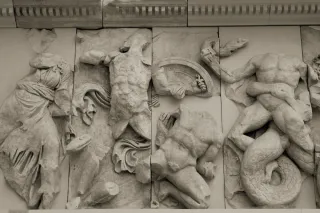
Dione, mother of Aphrodite in Homer: a feminine double of Zeus, two irreconcilable genealogies, and a real cult at the oracle of Dodona.
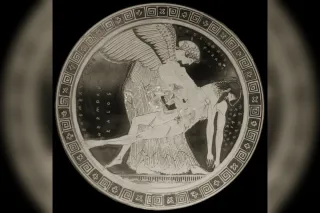
Eos, the Greek goddess of Dawn: sister of Sun and Moon, cursed by Aphrodite, the immortality she botched for Tithonus, and the dew wept for Memnon.
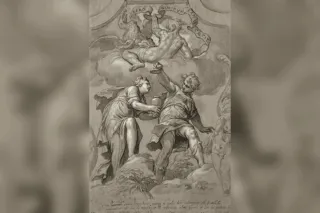
Epimetheus, brother of Prometheus: the Titan who thinks too late, accepts Pandora in Hesiod and leaves humanity unequipped in Plato.
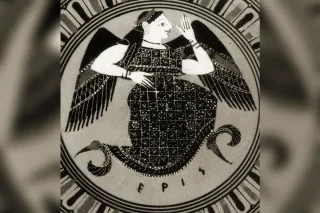
Eris, goddess of Discord: the brood of disasters Hesiod gives her, his two-Erides correction, and how late the famous golden apple actually appears.
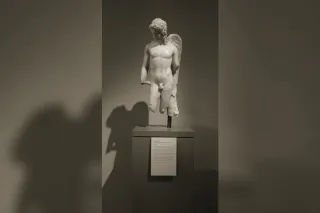
Eros, Greek god of desire: primordial force in Hesiod or son of Aphrodite in later tradition, golden arrows, and the foundational myth of Psyche.
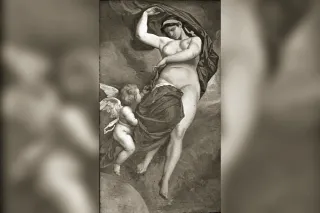
Gaia, primordial Greek Earth goddess: her birth after Chaos, mother of the Titans, revolt against Uranus, and role in the fall of Cronus and rise of Zeus.
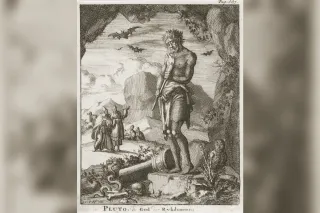
Hades, king of the dead and ruler of the Greek Underworld: attributes, genealogy, his realm, the abduction of Persephone and his place in the Olympian pantheon.
Hebe, Greek goddess of youth: daughter of Zeus and Hera, cupbearer on Olympus before Ganymede, and the bride Heracles wins on becoming immortal.
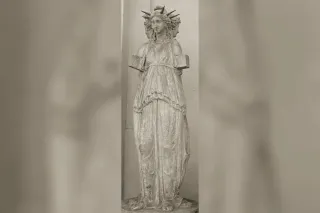
Hecate, Greek goddess of magic, crossroads, and the moon: her Titan origins, role in Persephone's abduction, night cult, and ancient sources.
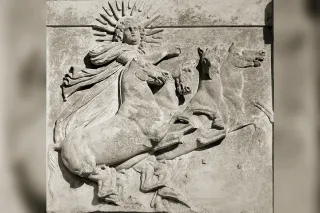
Helios, the Greek sun god who crosses the sky in his chariot: his Titan genealogy, the myth of Phaethon, the cattle of the Sun, and the cult of Rhodes.
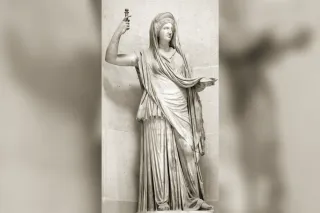
Hera, wife of Zeus and queen of Olympus: attributes, genealogy, key myths and ancient cult of the Greek goddess of marriage.
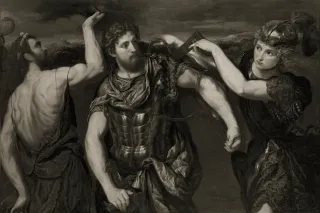
Hermes, Greek god of messengers, travelers and merchants: attributes, birth, role as psychopomp and major myths.
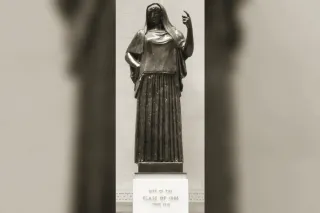
Hestia, Greek goddess of the domestic and civic hearth: her vow of virginity, her disputed place among the twelve Olympians, and the eternal flame of the prytaneum.
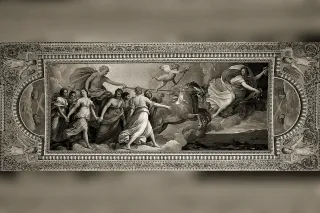
Hyperion, Titan of heavenly light: father of Sun, Moon and Dawn, the god Homer keeps confusing with his own son, and a name with a long afterlife.
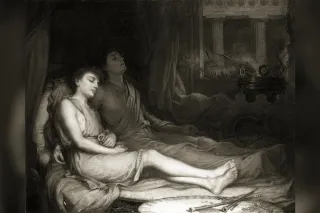
Hypnos, Sleep personified: the gentle twin of Thanatos, the only god who can put Zeus under, bought by Hera for a bride — and one of the few to receive real cult.
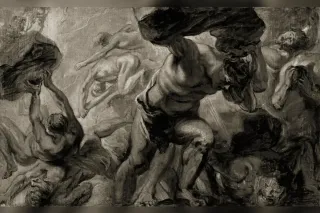
Iapetus, Titan father of Atlas and Prometheus: four sons central to Hesiod's account of the mortal condition, and an unproven resemblance to Japheth.
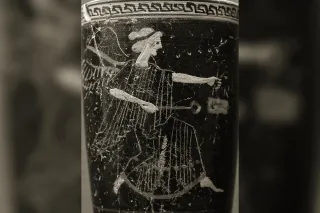
Iris, Greek rainbow goddess and divine messenger: her central role in the Iliad, the Styx water she fetches for oaths, and her Harpy sisters.
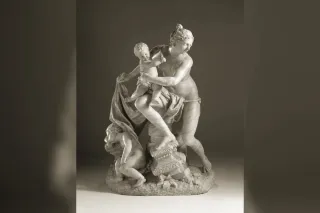
Leto, the Titaness pursued by Hera: her wandering, the birth of Apollo and Artemis on Delos, and Niobe's fatal challenge.
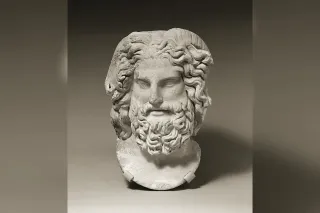
Metis, Oceanid of cunning intelligence: the drug that freed the Olympians, why Zeus swallowed her, and how Athena was born from his split skull.
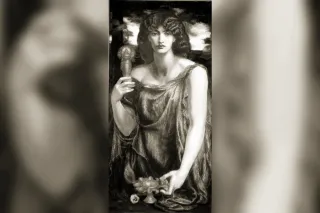
Mnemosyne, Titaness of Memory: the nine nights that produced the Muses, the spring of Memory against Lethe, and her role in the Orphic gold tablets.
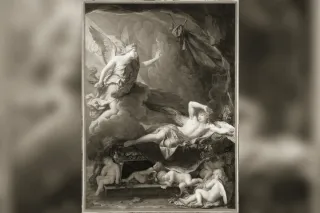
Morpheus is not the god of sleep and not an ancient Greek deity: he is Ovid's creation, a son of Sleep who specialises in wearing human faces inside dreams.
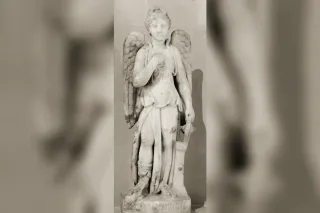
Nemesis, goddess of proportion rather than revenge: her statue cut from Persian marble, the egg that hatched Helen, and the curse laid on Narcissus.
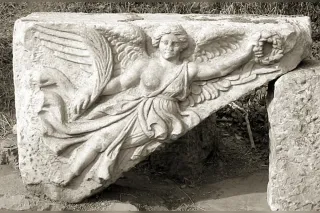
Nike, goddess of Victory: the siblings who joined Zeus first, the Wingless Victory of Athens, and the contested altar that outlived Greek religion.

Nyx, the Greek primordial Night: the children she bore without a father, the one moment Zeus backs down in the Iliad, and her rank in Orphic theogony.
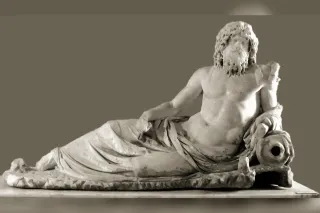
Oceanus, Titan of the encircling river: distinct from Poseidon’s sea, father of three thousand rivers and the Oceanids, he stays out of Zeus’s war.
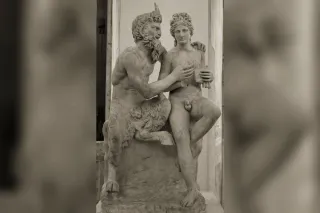
Pan, Greek god of shepherds, woods, and the wild: his birth, the panpipes, panic, amorous pursuits, and the ancient sources of his cult.
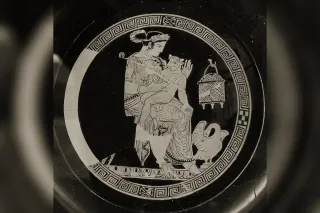
Pasiphae, solar goddess and queen of Crete: her own sorcery against Minos, the curse Poseidon aimed at her husband, and her dream-oracle in Laconia.
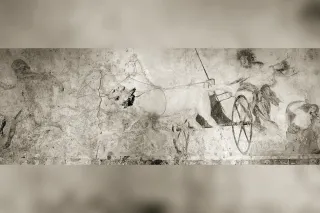
Persephone, queen of the underworld and daughter of Demeter: abduction by Hades, pomegranate seeds, Eleusinian Mysteries, and her dual nature between death and spring renewal.
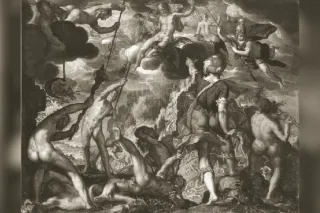
Perses, Titan husband of Asteria and father of Hecate: how to tell him from three namesakes, and why his line kept its powers under Zeus.
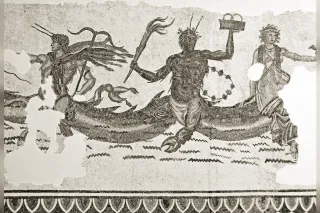
Phorcys, primordial sea god: with Ceto, the father of the Gorgons, the Graeae, Echidna and Ladon — a family tree of nearly every Greek monster.
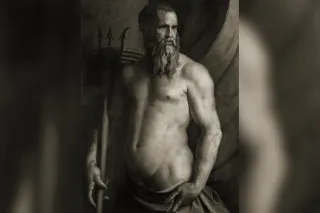
Poseidon, lord of the seas and earthquakes: attributes, genealogy, major myths and ancient sanctuaries of the Greek god of the oceans.
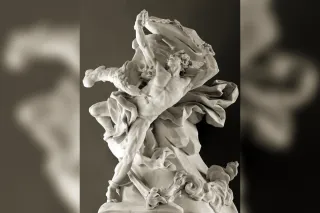
Prometheus in Greek mythology: the theft of fire, Zeus's punishment, the creation of humanity, Pandora's jar, and his liberation by Heracles.
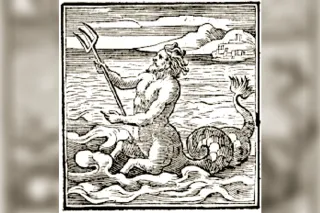
Proteus, the Greek sea god who changes shape: Menelaus's ambush on Pharos, prophecy taken by force, and the Egyptian king who kept Helen safe.
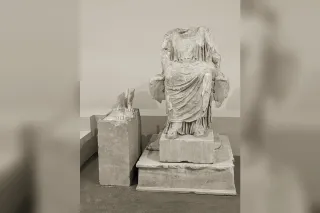
Rhea, Titaness mother of the Olympians: the swaddled stone she gave Cronus, the armed dancers who hid Zeus, and the rock still oiled at Delphi.
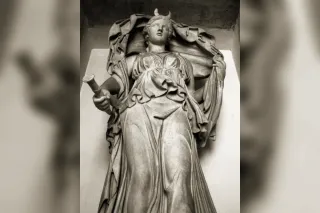
Selene, moon goddess of Greek mythology: her Titan genealogy, the two-horse night chariot, her love for the sleeping Endymion, and the merger with Artemis.
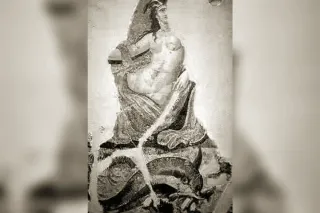
Tethys, nurturing Titaness of the waters: not to be confused with Thetis, mother of six thousand children, and the reason one constellation never sets.
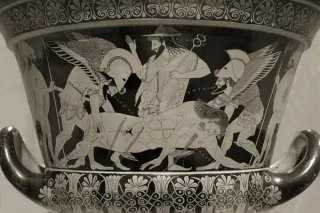
Thanatos, Death personified: son of Nyx and twin of Hypnos, chained by Sisyphus, wrestled by Heracles, and the one Greek god who accepts no offerings.
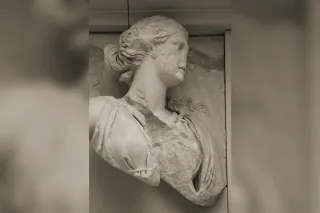
Theia, Titaness of radiance: the goddess Pindar credits with making gold valuable, mother of Sun, Moon and Dawn, and a Greek theory of sight.
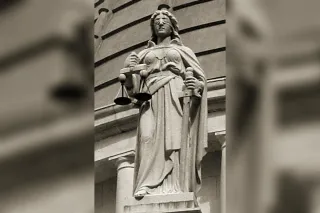
Themis, the Titaness of divine law: mother of the Horae and the Fates, keeper of Delphi before Apollo, and the prophecy that saved Zeus's throne.
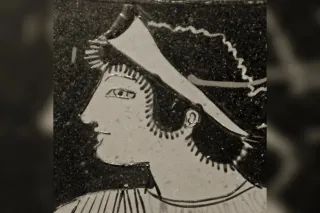
Thetis: the prophecy that made Zeus marry her off to a mortal, the day she saved Zeus from a coup, and why the Styx never appears in Homer.
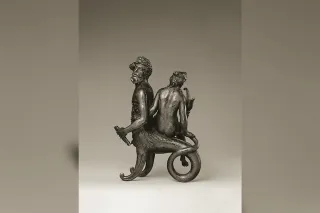
Triton, son of Poseidon and Amphitrite: fish-tailed sea god whose conch calls back the waters, and the guide who frees the Argo from Lake Tritonis.
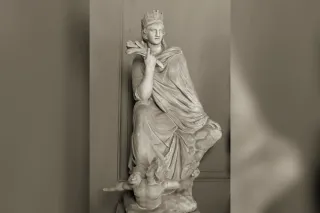
Tyche, Greek goddess of fortune: an Oceanid in Hesiod, a daughter of Zeus in Pindar, and the mural-crowned protector of every Hellenistic city.
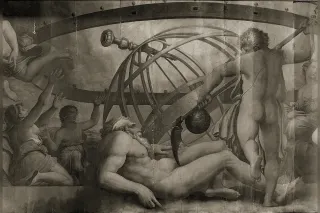
Uranus, first ruler of the Greek cosmos: born from Gaia, father of the Titans, unmanned by Cronus, and the source of a curse that outlives him.
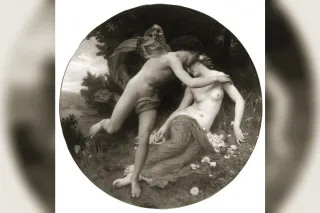
Zephyrus, god of the west wind: harsh in Homer, gentle in Rome, sire of Achilles's horses, jealous killer of Hyacinthus and husband of Chloris.