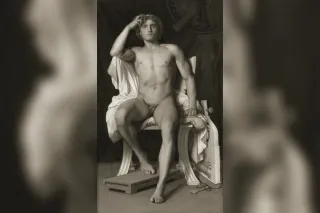
Achilles, hero of the Trojan War in Greek mythology
Achilles, son of Peleus and Thetis: near-invulnerability, the quarrel with Agamemnon, the death of Patroclus and the fatal heel. Central figure of the Iliad.
Greek mythology
The Greek hero is no model of virtue: Heracles slaughters his own family, Theseus abandons Ariadne on Naxos, Agamemnon sacrifices his daughter to buy a favourable wind. Each entry follows the figure from an often irregular birth to death or apotheosis, drawing on the Iliad, the Odyssey, the Argonautica and Athenian tragedy. You will find the famous names — Achilles, Perseus, Odysseus — alongside the secondary figures the plots depend on: Patroclus, Paris, Laertes, Oeagrus.
Achilles, son of Peleus and Thetis: near-invulnerability, the quarrel with Agamemnon, the death of Patroclus and the fatal heel. Central figure of the Iliad.
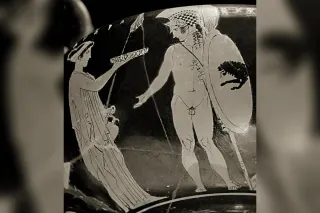
Hector, son of Priam, defender of Troy, his fatal duel with Achilles, and why Homer's most human hero embodies duty, love, and tragic fate.
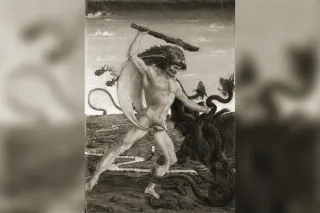
Heracles, demigod son of Zeus and Alcmene: birth, Twelve Labors, major exploits, and the apotheosis of the greatest hero in Greek mythology.
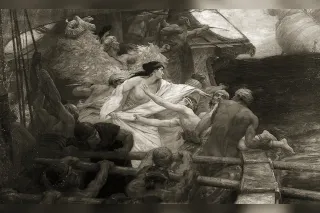
Jason, leader of the Argonauts, the quest for the Golden Fleece in Colchis, Medea's magic, and the tragic fall of a hero who betrayed his saviour.
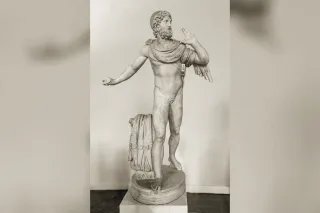
Odysseus, king of Ithaca: cunning, endurance, and the ten-year journey home from Troy — Polyphemus, Circe, the Underworld, the Sirens, and the return.
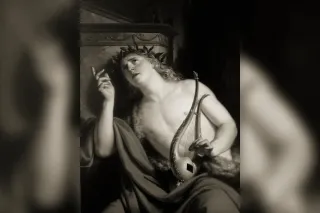
Orpheus, son of Oeagrus and the Muse Calliope: the lyre that moved all nature, the descent for Eurydice, the fatal glance, and the Orphic mysteries.
Aeneas in Greek myth: son of Anchises and Aphrodite, rescued by gods in the Iliad, carrier of his father out of burning Troy, and legendary forefather of Rome.
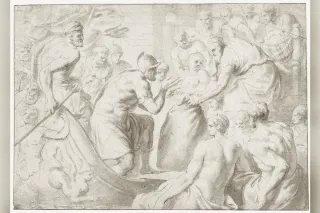
Aeolus son of Hellen: the Thessalian king whose descendants map the Greek dialect groups, and how to tell him from the keeper of the winds.
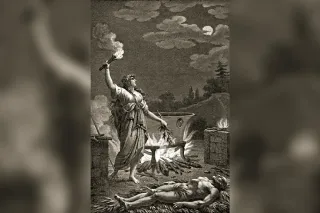
Aeson: the king deposed by Pelias, the child smuggled to Chiron, and the rejuvenation by Medea that Ovid turns into a manual of magic.
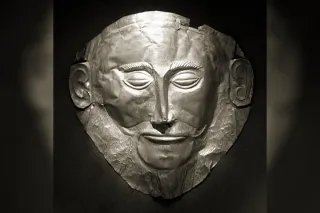
Agamemnon, leader of the Achaean host: the quarrel with Achilles, Iphigenia at Aulis, the curse of the Atreidae and the murder that met his homecoming.
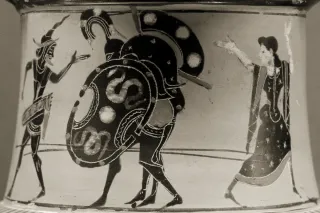
Ajax son of Telamon: the Iliad's great defender, his duel with Hector, losing Achilles' armour to Odysseus, and the suicide Sophocles put on stage.
Alcestis in Greek myth: Apollo's bargain with the Fates, her choice to die for Admetus, Heracles' fight with Death at her tomb, and Euripides' Alcestis explained.
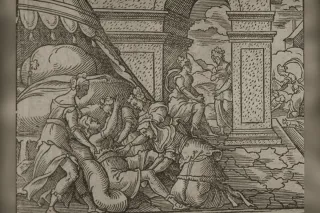
Alcmene, princess of Perseus's line: the night Zeus impersonates Amphitryon, Heracles's delayed birth, and her revenge on Eurystheus.
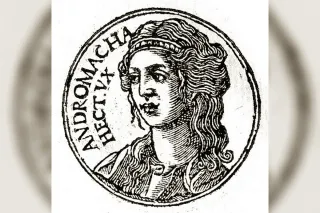
Andromache: the farewell at the Scaean Gate, the family Achilles destroyed in one day, and the miniature Troy she rebuilds in exile.
Andromeda in Greek myth: why she was chained to a rock, how Perseus saved her from the sea monster, the fight with Phineus, her children, and her constellation.
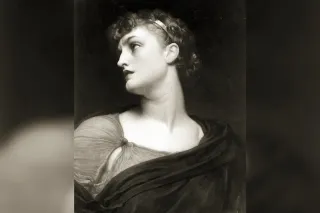
Antigone, daughter of Oedipus: the unwritten laws against Creon's decree, a disputed speech about her brother, and a lost play where she lives.
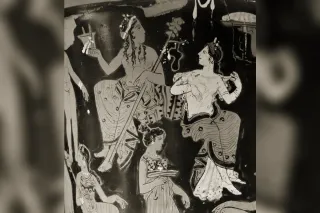
Ariadne in Greek myth: the thread that saves Theseus, the abandonment on Naxos, her marriage to Dionysus, and the crown that became a constellation.
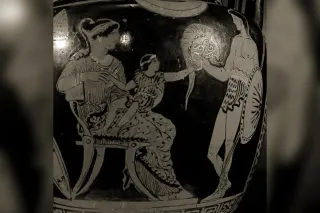
Astyanax: the child frightened by his father's helmet, the two names he carried, and the disputed account of who threw him from the walls of Troy.

Atalanta, the huntress of Greek mythology: the baby nursed by a bear, the Calydonian Boar hunt, and the footrace lost to Hippomenes and his golden apples.
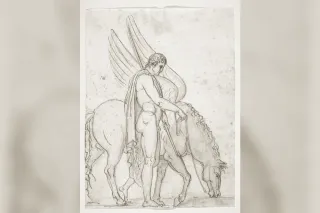
Bellerophon, Greek hero of Corinth: false accusation, capture of Pegasus, victory over the Chimera, exploits in Lycia, and the fall that punishes his hubris against the gods.
Cadmus in Greek mythology: the search for Europa, the cow from Delphi, the dragon's teeth and the Sown Men, his wedding to Harmonia, and the couple's end as serpents.
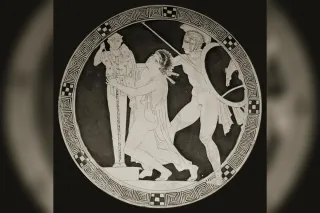
Cassandra, daughter of Priam: Apollo's gift of prophecy and his curse, her warning about the Wooden Horse, the crime of Ajax, and her death at Mycenae.
Clytemnestra, sister of Helen and wife of Agamemnon: the sacrifice of Iphigenia, the murder in the bath, Aegisthus, and her death at the hands of Orestes.
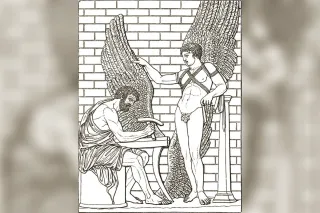
Daedalus in Greek mythology: Athenian craftsman, builder of the Labyrinth, father of Icarus and inventor of waxen wings, caught between genius and hubris.

Danae, princess of Argos: Acrisius's oracle, Zeus's shower of gold, the chest cast into the sea, and the survival of Perseus.
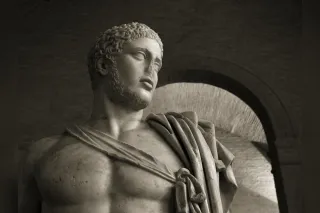
Diomedes, Athena's favourite at Troy: the Book 5 rampage that wounds Aphrodite and Ares, the armour swap with Glaucus, the Palladium and exile in Italy.
Electra, sister of Orestes: the forbidden mourning, the recognition at the tomb, the urn scene in Sophocles, and her share in Clytemnestra's murder.
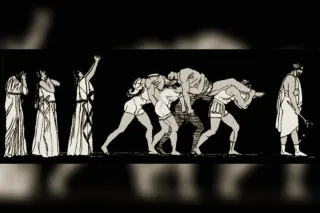
Eteocles, son of Oedipus: the year of rule he refused to surrender, the seven gates of Aeschylus, and a fatal duel with his own brother.
Europa in Greek mythology: Zeus' white bull, the swim to Crete, her sons Minos and Rhadamanthys, the brothers who searched for her, and the continent named after her.
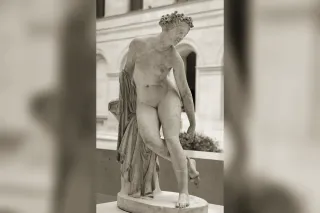
Eurydice: the snakebite, the backward glance, and the awkward possibility that in the oldest versions Orpheus brought her back successfully.
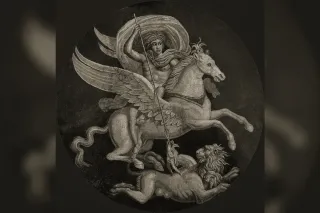
Glaucus son of Sisyphus: the Corinthian horse-breeder killed by his own mares, and the ghost that terrified chariot teams at the Isthmus.
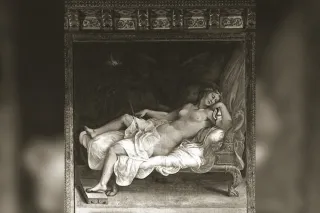
Hecuba of Troy: mother of Hector, the two children she loses after the city falls, the revenge she takes, and the headland named after her.
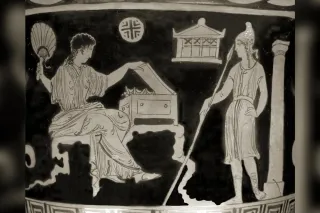
Helen of Troy: daughter of Zeus and Leda, the oath of Tyndareus, the abduction by Paris, and the ancient version in which only her phantom reached Troy.
Hippolytus, son of Theseus and devotee of Artemis: Phaedra's false accusation, Poseidon's bull, his cult at Troezen and his revival in a later tradition.
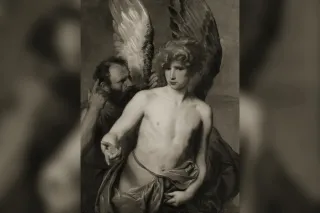
Icarus, son of Daedalus: the wings of feather and wax, the middle course he was told to hold, and the ploughman who barely looked up.
Iphigenia, daughter of Agamemnon: the false marriage to Achilles, the sacrifice at Aulis, the deer Artemis put in her place, and her priesthood among the Taurians.
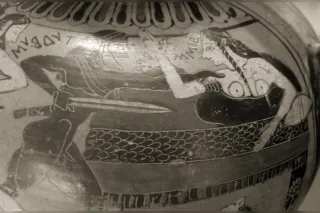
Ismene, daughter of Oedipus: the sister who refuses, then asks to die anyway — and a lost archaic version in which she dies very differently.
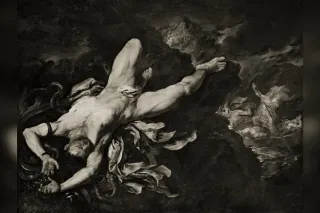
Ixion: the first kinsman-killer in Greek myth, the first man Zeus purified, the father of the Centaurs by a cloud, and the wheel that never stops.
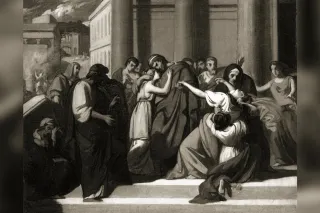
Jocasta, queen of Thebes: the character who works out the truth first, the speech Freud quoted, and three incompatible deaths in three sources.
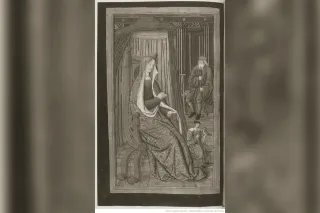
Laertes in the Odyssey: the king who withdrew to a farm, the orchard trees that prove his son's identity, and a disputed paternity.
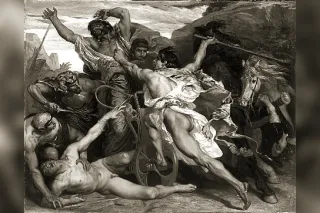
Laius of Thebes: the crime against Chrysippus, an oracle he was warned to obey, the exposure of Oedipus, and death at the Phocian crossroads.
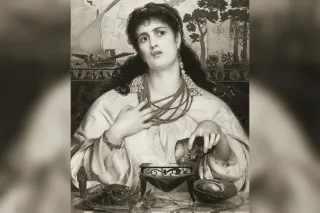
Medea: the princess who wins Jason the Fleece, the children's deaths Euripides may have invented, and the Corinthian rite that remembered them.
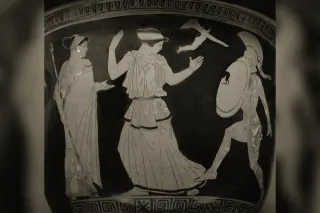
Menelaus in Greek mythology: the son of Atreus betrayed by Paris, his duel in the Iliad, eight years of wandering to Egypt, and the promise of Elysium.
King Minos of Crete, son of Zeus and Europa: the bull he kept from Poseidon, the Labyrinth, the Athenian tribute, his death in Sicily, and his seat among the dead.
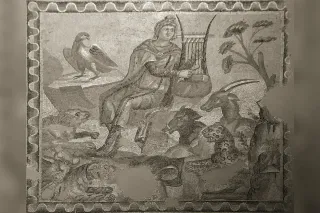
Oeagrus, Thracian king or river god: partner of Calliope, best-attested father of Orpheus and of Linus, and why the Apollo version competes with him.
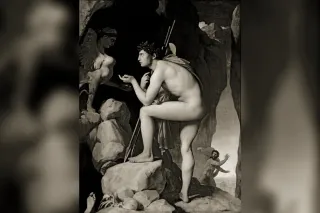
Oedipus, the Greek hero who unknowingly kills his father and marries his mother: the Delphic oracle, the riddle of the Sphinx, his tragic downfall, and ancient sources.
Orestes, avenger of Agamemnon: Apollo's command, the matricide, the pursuit of the Furies, and the Areopagus trial that acquits him by a single vote.

Paris, son of Priam: Hecuba's dream, the herdsman on Ida, the archer Homer despises, the arrow that kills Achilles and Oenone's final refusal.
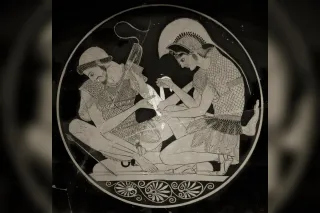
Patroclus in the Iliad: the exile raised at Phthia, the borrowed armour, his death below the walls of Troy, and the long-argued bond with Achilles.
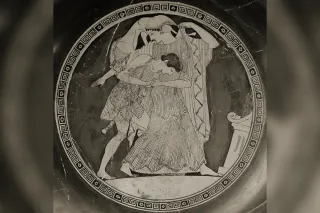
Peleus: two exiles for killing kinsmen, betrayal on Mount Pelion, the goddess he had to wrestle, and a wedding that started the Trojan War.
Pelops, son of Tantalus: the ivory shoulder, the chariot race against Oenomaus, the curse of Myrtilus, and his cult at the heart of the sanctuary of Olympia.
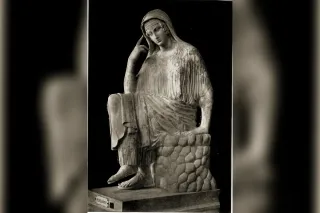
Penelope in the Odyssey: the shroud that bought three years, the dream of the geese, and the bed test by which she interrogates her own husband.
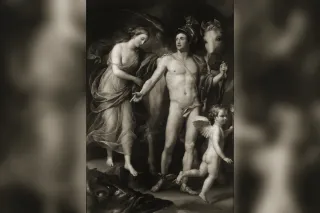
Perseus, heroic son of Zeus and Danaë: miraculous birth, quest for Medusa's head, rescue of Andromeda, and the founding of Mycenae.
Phaedra, daughter of Minos and wife of Theseus: her love for her stepson Hippolytus, the false accusation, her death, and her afterlife from Euripides to Racine.
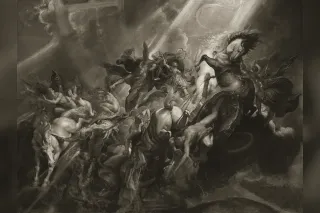
Phaethon, son of Helios: a taunt about his paternity, an oath by the Styx his father could not break, and the day the chariot of the Sun burned the earth.
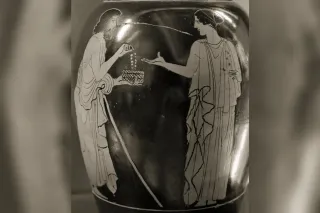
Polynices, exiled son of Oedipus: exile at Argos, the necklace that bought him an army, his father's curse, and the body Creon left unburied.
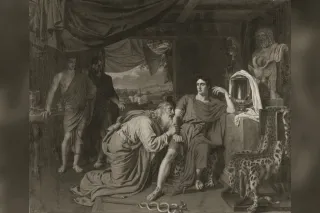
Priam of Troy: the boy ransomed by his sister, the father of fifty sons, and the night he kissed the hands of the man who killed Hector.
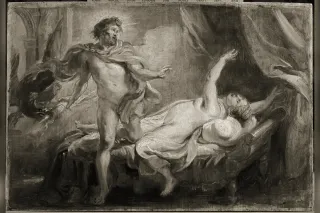
Semele, princess of Thebes and mother of Dionysus: Zeus's binding promise, the fatal sight of lightning, and her return as a goddess.
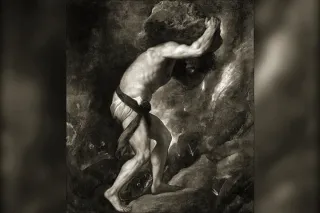
Sisyphus in Greek mythology: founding king of Corinth, master of trickery, twice conqueror of death, and eternally condemned to roll his boulder in Tartarus.
Tantalus in Greek mythology: son of Zeus, guest of the gods, and the sinner who can never reach food or water. His punishment, his crimes, and why sources disagree.
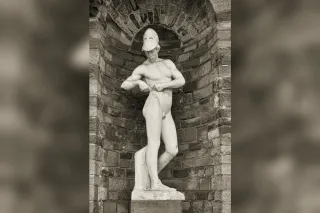
Telemachus in the Odyssey: the four-book education that opens the poem, the ambush he escapes, and the strange marriage the Telegony gives him.
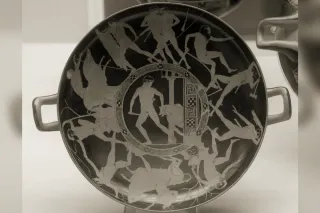
Theseus, Athenian hero and son of Poseidon and Aegeus: the road of exploits, victory over the Minotaur in the Labyrinth, and the founding of Athenian identity.
Tiresias, the blind seer of Greek myth: why he lost his sight, his seven years as a woman, his prophecies to Oedipus, Creon and Odysseus, and how he died.