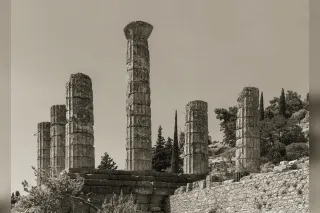
Delphi: Apollo's Oracle and the Navel of the Ancient World
Delphi in Greek mythology: sanctuary of Apollo, seat of the Pythia, and the most influential oracle of antiquity. Mythological role, cult, and enduring legacy.
Greek mythology
Greek geography mixes real sites with mythic territory, sometimes on the same page: Delphi and Troy have been excavated, Olympus can be climbed, Tartarus and Elysium cannot. Each entry locates the place, explains its function in the stories and states what archaeology confirms or leaves open — the palace at Knossos certainly existed, the Labyrinth far less so. The entries also trace how the underworld is subdivided differently from Homer to Virgil.
Delphi in Greek mythology: sanctuary of Apollo, seat of the Pythia, and the most influential oracle of antiquity. Mythological role, cult, and enduring legacy.
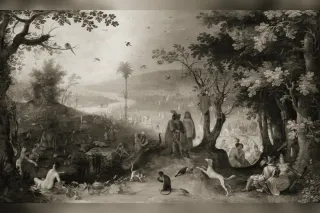
Elysium in Greek mythology: a blessed realm promised to certain heroes, then a reward for just souls in later traditions.
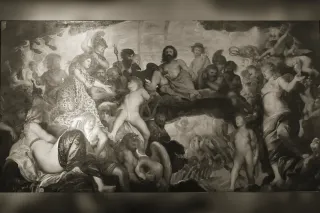
Mount Olympus in Greek mythology: the sacred mountain of the twelve Olympian gods, its cosmic role in Homer and Hesiod, and its place at the heart of the Greek universe.
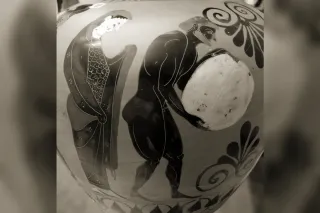
Tartarus in Greek mythology: the primordial void born before the gods, prison of the Titans after the Titanomachy, and place of eternal punishment distinct from Hades' kingdom.
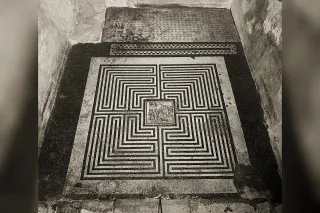
The Labyrinth in Greek mythology: the maze built by Daedalus for King Minos to hold the Minotaur, escaped by Theseus thanks to Ariadne's thread.
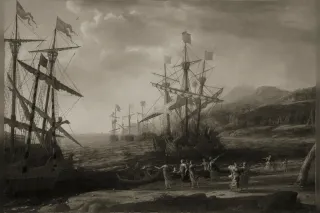
Troy in Greek mythology: divine founding, ten-year siege by the Greeks, the Trojan Horse, the city's fall, and the fates of its greatest heroes in Homer's Iliad and Odyssey.