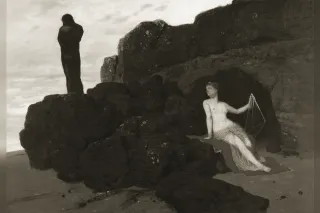
Calypso, nymph who detains Odysseus on the island of Ogygia
Calypso in the Odyssey: seven years on Ogygia, an offer of immortality that Odysseus turns down, and her protest against the gods' double standard.
Greek mythology
Most Greek monsters descend from a single pair, Typhon and Echidna, and heroes make their names by killing them. Each entry gives the creature's parentage, habitat, powers and the weakness that undoes it, and separates named individuals — Medusa, Cerberus, Scylla — from whole species such as centaurs and sirens. Where vase painting contradicts the written sources, the divergence is flagged rather than smoothed over.
Calypso in the Odyssey: seven years on Ogygia, an offer of immortality that Odysseus turns down, and her protest against the gods' double standard.
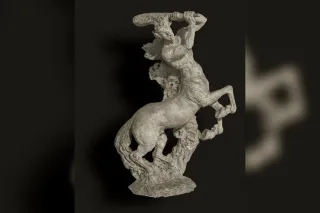
Greek Centaurs: half-man half-horse, their origin, the Centauromachy against the Lapiths, wise Chiron as teacher to heroes, and their place between nature and civilization.
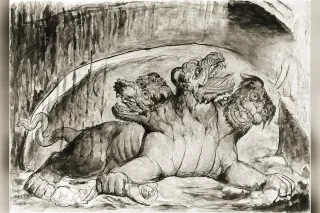
Cerberus, the three-headed dog guarding the realm of Hades: origin, role in the underworld, the twelfth labor of Heracles, and other mortal intrusions.
Charybdis in Greek mythology: the whirlpool opposite Scylla that gulps down the sea three times a day, from Homer's Odyssey to the Strait of Messina.
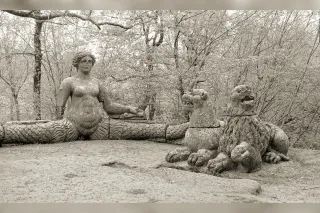
Echidna, mother of monsters: half nymph and half serpent, mate of Typhon, parent of Cerberus, the Hydra, the Chimera and the Sphinx.
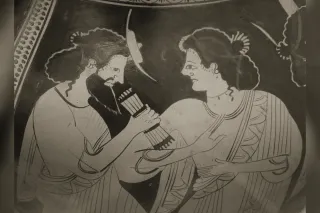
Maia, daughter of Atlas and mother of Hermes: her cave on Mount Cyllene, Apollo's stolen cattle, and her place among the Pleiades.
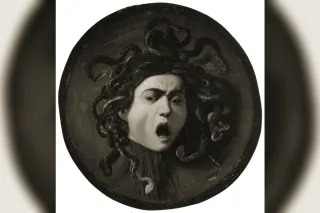
Medusa, Gorgon with serpentine hair and a deadly gaze: origin, Athena's curse, death at the hands of Perseus, and the birth of Pegasus.
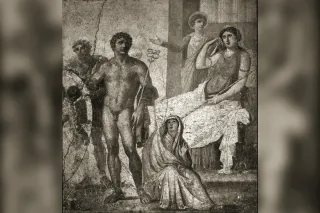
Nephele, the cloud shaped like Hera: Zeus's trap for Ixion, ancestress of the Centaurs, and the goddess who sent the ram of the Golden Fleece.
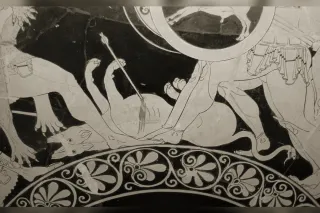
Orthrus (Orthos) in Greek mythology: Geryon's two-headed watchdog, elder brother of Cerberus, slain by Heracles on Erytheia, the red island of the far west.
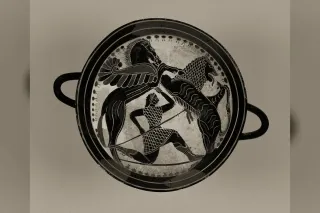
Pegasus, born from Medusa's blood: the winged horse who carried Bellerophon against the Chimera, created the spring of the Muses, and became a constellation.
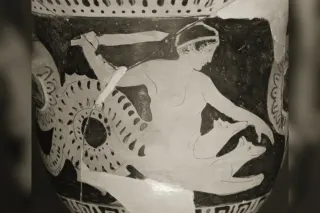
Scylla in Greek mythology: a nymph turned into a six-headed monster, the terror of the strait opposite Charybdis, devourer of sailors in Homer's Odyssey.
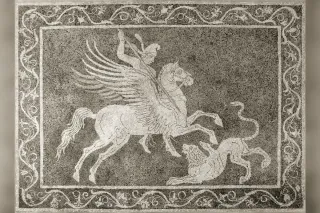
The Chimera, Greek hybrid monster with a lion's head, goat's body, and serpent's tail: divine origin, devastation of Lycia, and death at the hands of Bellerophon riding Pegasus.
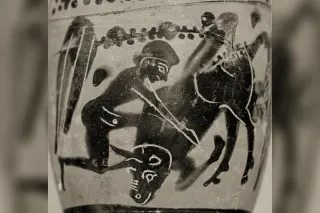
The Cretan Bull: the sacrifice Minos kept, the father of the Minotaur, Heracles' seventh labour, and the beast Theseus finally put on an altar.
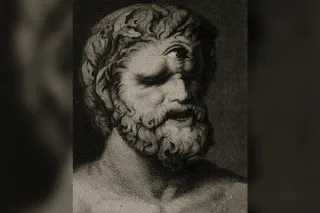
The Cyclops in Greek mythology: Hesiod's divine smiths who forged Zeus's thunderbolt, and Homer's giant sons of Poseidon — above all Polyphemus, blinded by Odysseus.
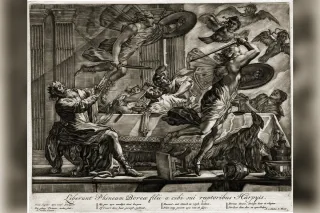
The Harpies in Greek mythology: Iris's sisters, storm-winds that 'snatch' men away in Homer, tormentors of Phineus, and later bird-bodied monsters in Virgil.
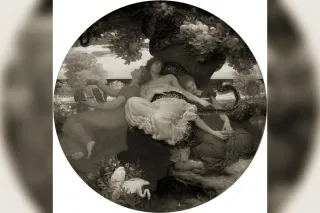
The Hesperides, nymphs of the golden apples: daughters of Night or of Atlas, the sleepless serpent Ladon, and the labour Heracles won by a trick.
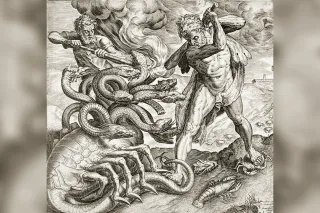
The Lernaean Hydra: a monstrous water serpent whose heads grow back when severed, the second labor of Heracles, its immortal venom, and its enduring symbolic legacy.
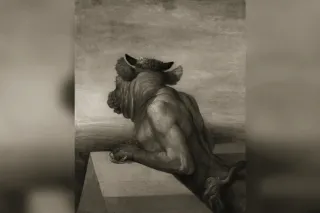
The Minotaur, half-man half-bull creature imprisoned in Daedalus's Labyrinth: origin, the cult at Knossos, Athens's tribute, and death at the hands of Theseus.
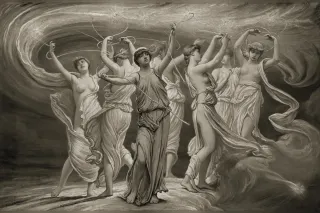
The Pleiades, seven daughters of Atlas: the lost sister, the pursuit by Orion, and the star cluster that told Greek farmers when to plough and sail.
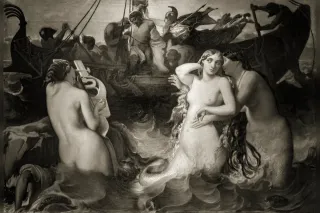
The Sirens of Greek mythology: half-woman half-bird, their deadly song, Odysseus's ordeal, the Argonauts' escape, and the symbol of fatal seduction in antiquity.
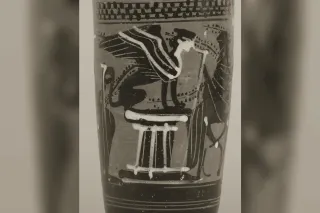
The Greek Sphinx: hybrid monster sent by Hera to terrorize Thebes, its legendary riddle, Oedipus's answer, and what this creature reveals about knowledge and death.
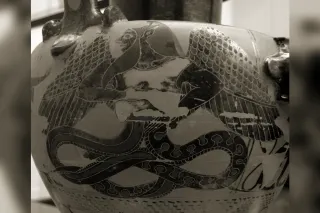
Typhon in Greek mythology: father of monsters, last son of Gaia, the storm-giant who nearly toppled Zeus in the Typhonomachy, and prisoner beneath Mount Etna.