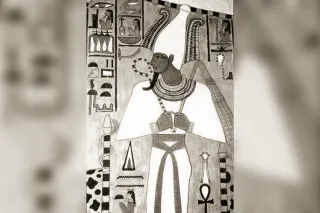
Osiris, god of the dead and resurrection in ancient Egypt
Osiris, Egyptian god of the dead: Seth's murder, Isis's reassembly of his body, resurrection as the first mummy, and judging souls in the Hall of Two Truths.
Egyptian mythology
The Egyptian pantheon keeps reorganising itself: Ra merges with Amun to become Amun-Ra, Ptah creates by speech at Memphis while Atum begets himself at Heliopolis, and under Akhenaten the Aten displaces them all. Each entry gives the god's animal forms, cult centre and place in the Ennead or the Theban triad, together with the texts that attest them: Pyramid Texts, Coffin Texts, Book of the Dead.
Osiris, Egyptian god of the dead: Seth's murder, Isis's reassembly of his body, resurrection as the first mummy, and judging souls in the Hall of Two Truths.
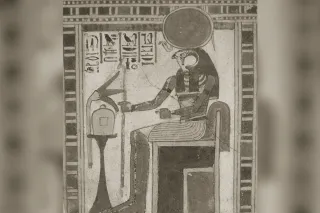
Ra, the Egyptian sun god: creator deity, nightly journey through the Duat battling Apophis, syncretisms (Amun-Ra, Ra-Horakhty), and cult at Heliopolis.
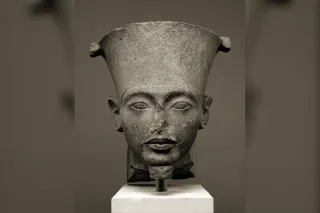
Amun, Egyptian god of Thebes: his hidden origin, fusion into Amun-Ra, the temple of Karnak, Akhenaten's reform, and his status as king of the gods under the New Kingdom.
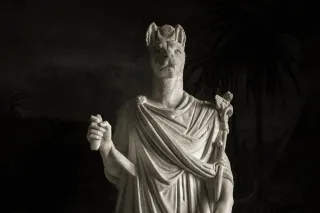
Anubis, the jackal-headed god of ancient Egypt: guardian of the dead, divine embalmer, guide of souls, and overseer of the weighing of the heart.
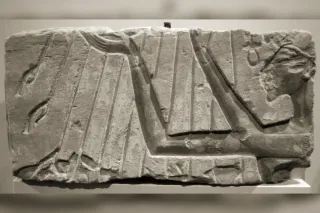
The Aten, the sun disk raised to sole god by Akhenaten: no human image, no myth, a name in royal cartouches, the Great Hymn at Amarna, and its erasure.
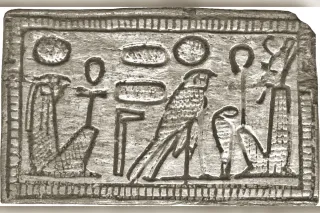
Atum, creator god of Heliopolis: the self-created demiurge who rose from Nun, begot Shu and Tefnut, founded the Ennead and embodies the setting sun, father of the gods.
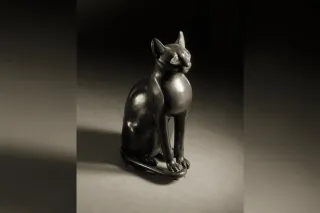
Bastet, the Egyptian cat goddess: protector of home, motherhood and fertility, the pacified Eye of Ra, gentle counterpart of Sekhmet and great lady of Bubastis.
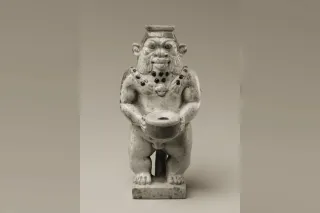
Bes, the Egyptian dwarf god shown face-on: protector of childbirth, sleep and the household, from magic wands and amulets to the oracle at Abydos.
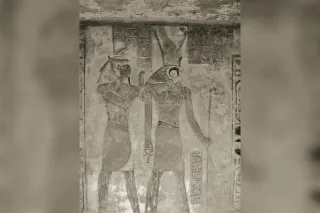
Geb, Egyptian god of the earth: son of Shu and Tefnut, husband of Nut, father of Osiris, Isis, Seth and Nephthys. The prince of gods from whom the pharaohs' throne derives.
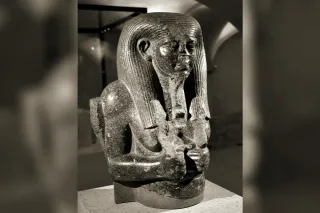
Hapi, the Egyptian god of the Nile inundation: personified flood, body swollen with plenty, master of the caverns at Elephantine and binder of the Two Lands.
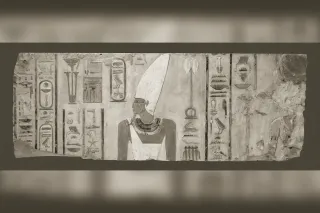
Hathor, Egyptian goddess of love, joy and music: Eye of Ra, celestial mother of Horus, Lady of the West welcoming the dead, and mistress of the temple of Dendera.
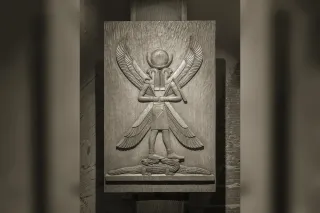
Horus, the Egyptian falcon god: son of Osiris and Isis, his contest with Seth for the throne, the Eye of Horus, and his divine embodiment of the pharaoh.
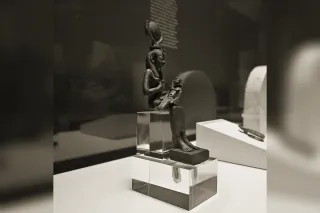
Isis, Egyptian goddess of magic: reassembly of Osiris, protection of Horus, mystery cult in the Roman Empire, and her enduring symbolic legacy worldwide.
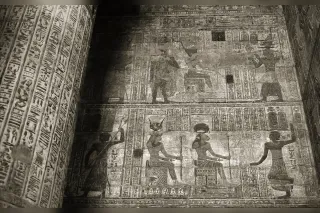
Khnum, the ram-headed Egyptian god of Elephantine: potter of children and their ka, master of the Nile inundation, and the god of the Famine Stela.
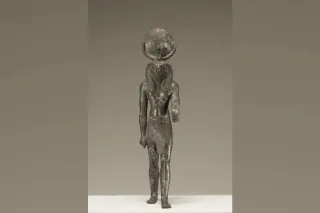
Khonsu, Egyptian god of the moon: son of Amun and Mut in the Theban triad, traveller of the night sky, exorcist of the Bentresh Stela and keeper of time.
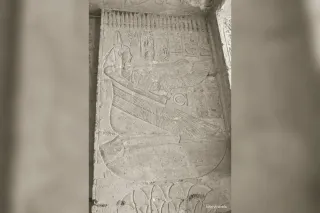
Maat, Egyptian goddess of truth and justice: her role in the weighing of the heart, her bond with the pharaoh, her opposition to Isfet, and ancient wisdom teachings.
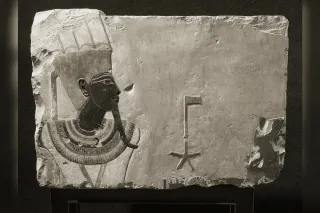
Min, the ithyphallic Egyptian god of Coptos and Akhmim: lord of generative power, patron of desert expeditions and Kamutef, the bull of his own mother.
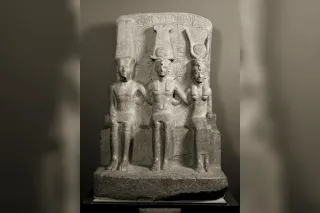
Mut, the Egyptian goddess of Thebes: wife of Amun, mother of Khonsu, Lady of Isheru at Karnak, and a lioness whom the rites had to appease.
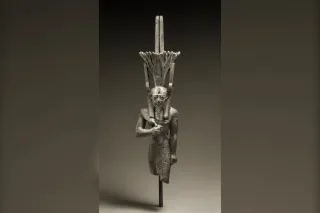
Nefertem, the Egyptian god of the blue lotus: son of Ptah and Sekhmet in the Memphite triad, child of the first morning and patron of scented unguents.
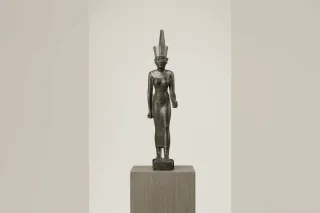
Neith, the Egyptian goddess of Sais: archer and weaver, mother of Sobek, arbiter in the contendings of Horus and Seth, creator goddess in the Esna texts.
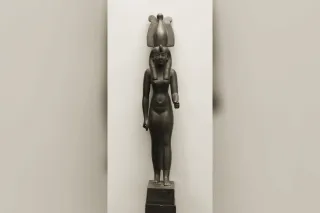
Nekhbet, the vulture goddess of Nekheb (el-Kab): patron of Upper Egypt, protector and nurse of the king, and the southern half of the Two Ladies with Wadjet.
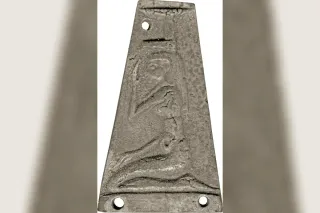
Nephthys, Egyptian goddess of mourning and protection of the dead: sister of Isis, wife of Seth, mother of Anubis and guardian of the mummy in the Osiris cycle.
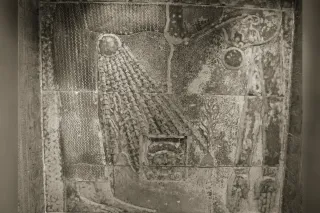
Nut, Egyptian goddess of the sky: sister and wife of Geb, mother of Osiris, Isis, Seth and Nephthys. She swallows the sun each evening and gives it back to the world at dawn.
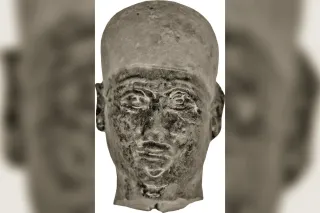
Ptah, the Egyptian creator god of Memphis: creation by heart and tongue in the Shabaka Stone, patron of craftsmen, husband of Sekhmet and father of Nefertem.
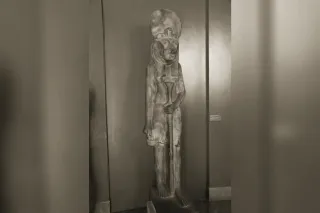
Sekhmet, the Egyptian lioness goddess: Eye of Ra and the Destruction of Mankind, burning breath and plagues, yet also a dreaded healer and guardian of Memphis.
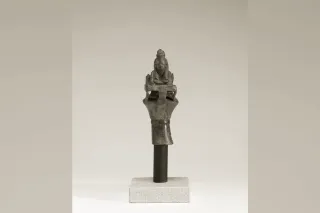
Serqet, the Egyptian scorpion goddess: protector against venom, patron of healer-magicians, fourth guardian of the canopic jars and gaoler of Apophis.
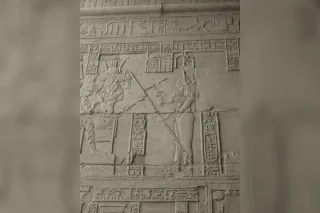
Seshat, the Egyptian goddess of scribes: Mistress of the House of Books, surveyor of temples in the stretching of the cord, and recorder of reigns beside Thoth.
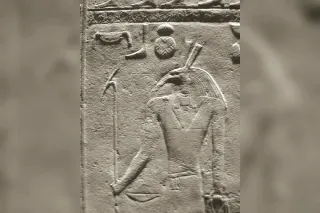
Seth, Egyptian god of chaos and the desert: killer of Osiris, rival of Horus for Egypt's throne, and guardian of Ra against the serpent Apophis.
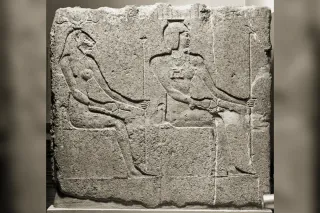
Shu, Egyptian god of air and light: son of Atum, brother and husband of Tefnut, he lifts Nut away from Geb and holds open the space in which creation breathes.
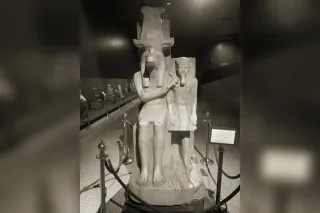
Sobek, the Egyptian crocodile-headed god: son of Neith, lord of the Faiyum and Kom Ombo, protector of pharaoh and embodiment of the danger he wards off.
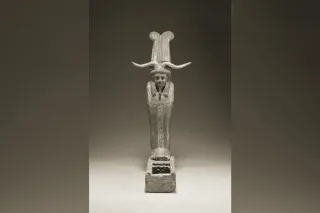
Sokar, the funerary god of Memphis: mummiform falcon of the underground workshops, lord of Rosetau, centre of the Khoiak festival and of Ptah-Sokar-Osiris.
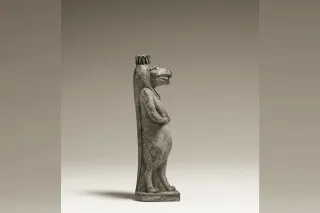
Taweret, the Egyptian hippopotamus goddess: protector of pregnant women and newborns, guardian of the household, and the constellation that keeps Seth chained.
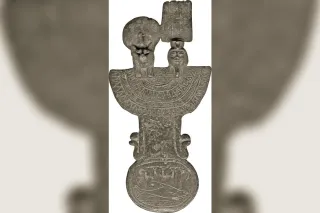
Tefnut, Egyptian goddess of moisture: daughter of Atum, sister and wife of Shu, mother of Geb and Nut. Eye of Ra and rebellious lioness of the Distant Goddess myth.
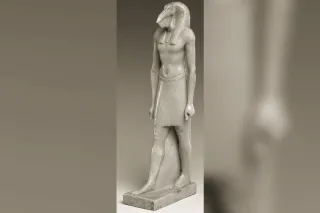
Thoth, the ibis-headed Egyptian god: scribe of the gods, keeper of the judgment of souls, master of writing and magic in the mythology of ancient Egypt.
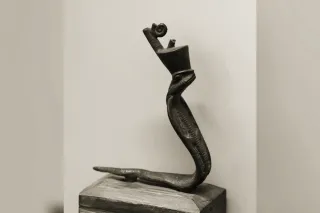
Wadjet, the Egyptian goddess of Buto: the cobra rearing on the king's brow, patron of Lower Egypt, nurse of the infant Horus and one of the Two Ladies.